Tooth Extractions in Lancaster, NY

Safe, Comfortable Tooth Removal at White Maple Dental

When a tooth is severely damaged, infected, broken, or otherwise cannot be restored, removing it may be the best way to protect your oral health. At White Maple Dental, we provide tooth extractions in Lancaster, NY with a focus on your comfort, clear communication, and appropriate aftercare.

We always look for ways to preserve your natural teeth when possible. Depending on the condition of a tooth, treatments such as a filling, crown, or root canal may be able to save it. When extraction is the appropriate treatment, we'll explain why and help you understand what to expect.

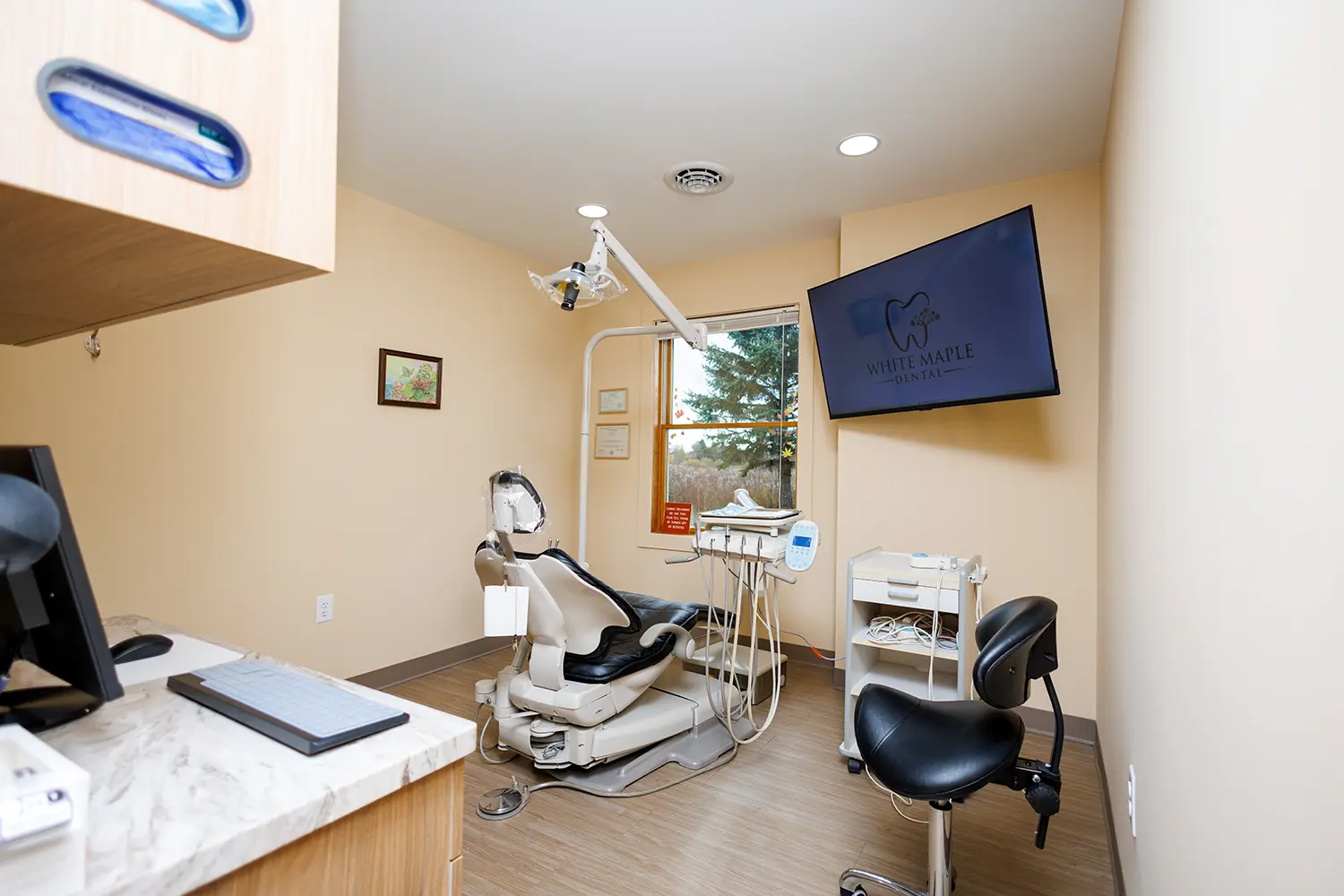
Modern dental exam room with beige walls and light wood flooring, featuring a black and white dental chair, dental tools on a mobile unit, a black rolling stool, a mounted TV screen displaying 'White Maple Dental,' a window with a view of trees, and a desk with a keyboard in the foreground.
Smiling woman with curly blonde hair, glasses, a scarf, and a black vest standing at a reception desk in an office with computer monitors and a glass door in the background.

When Is a Tooth Extraction Necessary?

A tooth extraction may be recommended when a tooth cannot be predictably restored or is causing problems for your oral health.

Common reasons for tooth removal include:

  • Severe tooth decay
  • An infection that cannot be effectively treated
  • A broken or cracked tooth that cannot be restored
  • Advanced gum disease affecting the tooth's support
  • An impacted or problematic wisdom tooth
  • Significant damage caused by an injury
  • Dental crowding in certain treatment situations

Before recommending extraction, we'll examine the tooth and surrounding tissues and discuss whether there are alternatives that may allow you to keep your natural tooth.

Can a Tooth Be Saved Instead of Extracted?

Whenever possible, preserving a natural tooth is generally preferred. Depending on the problem, a root canal, dental crown, filling, or other restorative treatment may be an alternative to extraction.

For example, a tooth with infected tissue inside it may sometimes be treated with root canal therapy rather than removed.

If a tooth cannot be predictably restored, however, extraction may be recommended to prevent the problem from continuing or affecting surrounding teeth.

Our team will explain your options so you can make an informed decision about your care.

A female dental patient with glasses smiles at a male dentist in a dental office, sitting in a dental chair with a protective bib.

What Happens During a Tooth Extraction?

Before treatment, we'll examine the tooth and determine the appropriate approach based on its condition, position, and surrounding structures.

The area is numbed with local anesthesia before the extraction. Your dentist will then carefully remove the tooth using the technique appropriate for your situation.

Your appointment may include:

  • Examination and treatment planning
    We'll evaluate the tooth and discuss whether extraction or another treatment is appropriate.
  • Local anesthesia
    The area around the tooth will be numbed before the procedure to help keep you comfortable.
  • Tooth removal
    The tooth is carefully loosened and removed using the appropriate technique.
  • Aftercare instructions
    We'll explain how to care for the extraction site and what to expect during healing.

If your tooth requires a more involved procedure, we'll explain what that means before treatment.

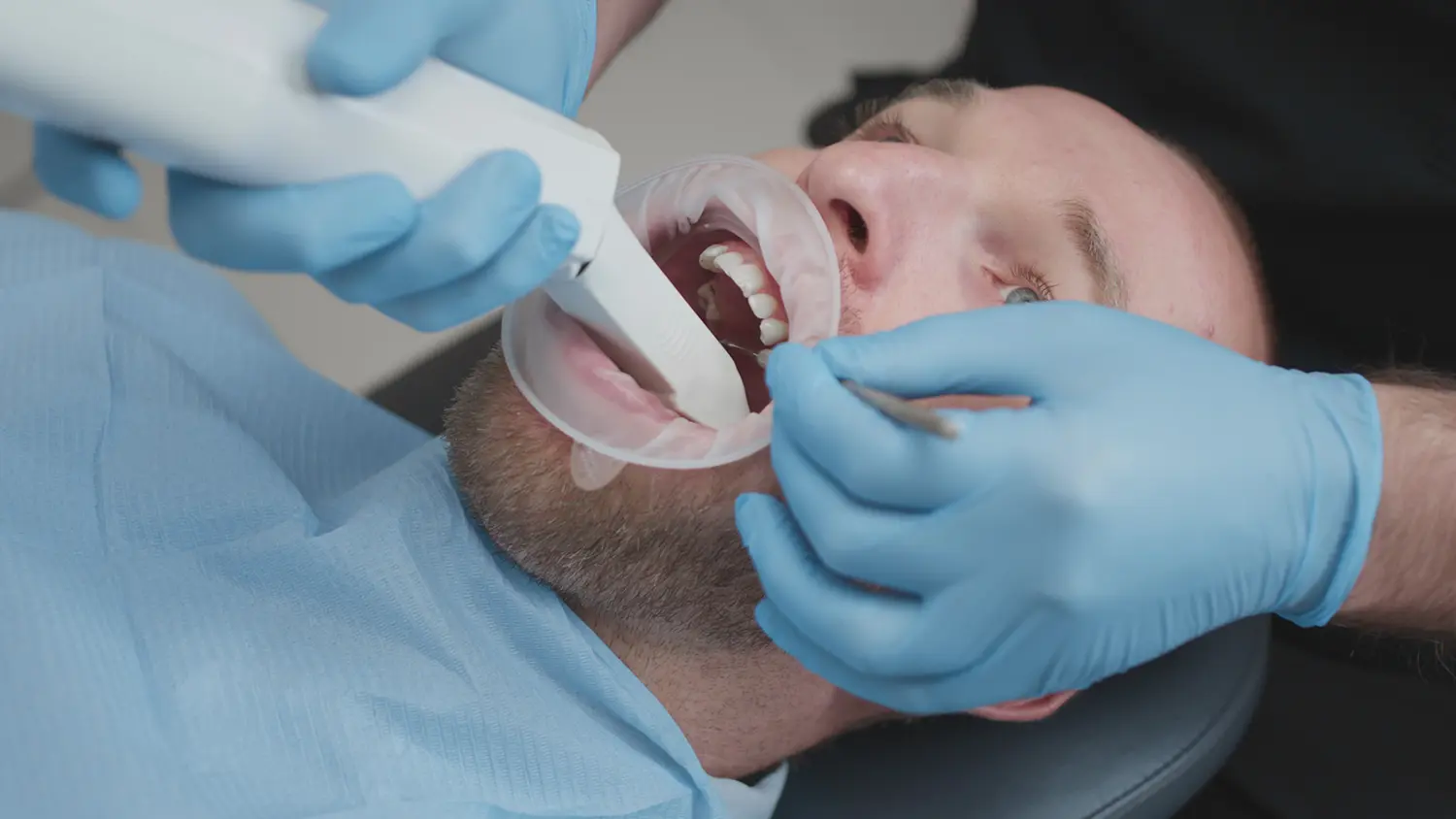
A dental professional wearing blue gloves uses an intraoral scanner inside the mouth of a man lying back in a dental chair with a plastic lip retractor in place.

Simple vs. Surgical Tooth Extraction

The type of extraction depends on the condition and position of the tooth.

Simple Extraction

A simple extraction may be performed when the tooth is visible above the gum and can be accessed directly.

Surgical Extraction

A surgical extraction may be necessary when a tooth is difficult to access, broken near the gumline, impacted, or otherwise requires a more involved approach.

Wisdom teeth can sometimes require surgical extraction because of their position or lack of available space.

Your dentist will determine which approach is appropriate after evaluating your tooth.

What Is Recovery Like After a Tooth Extraction?

Some soreness, swelling, or sensitivity can occur after a tooth is removed. Healing time varies depending on the tooth, the type of extraction, and your individual circumstances.

After your extraction, follow the instructions provided by your dental team. You may be advised to:

  • Eat softer foods while the area heals
  • Avoid disturbing the extraction site
  • Follow your dentist's instructions for cleaning the area
  • Limit strenuous activity for the period recommended by your dentist
  • Take any recommended medications as directed

Contact our office if you experience symptoms that concern you or if your pain, swelling, or bleeding does not improve as expected.

An older woman with a cane and a green butterfly-patterned shirt talking and smiling with a young male healthcare professional wearing black scrubs in a medical office with dental equipment.
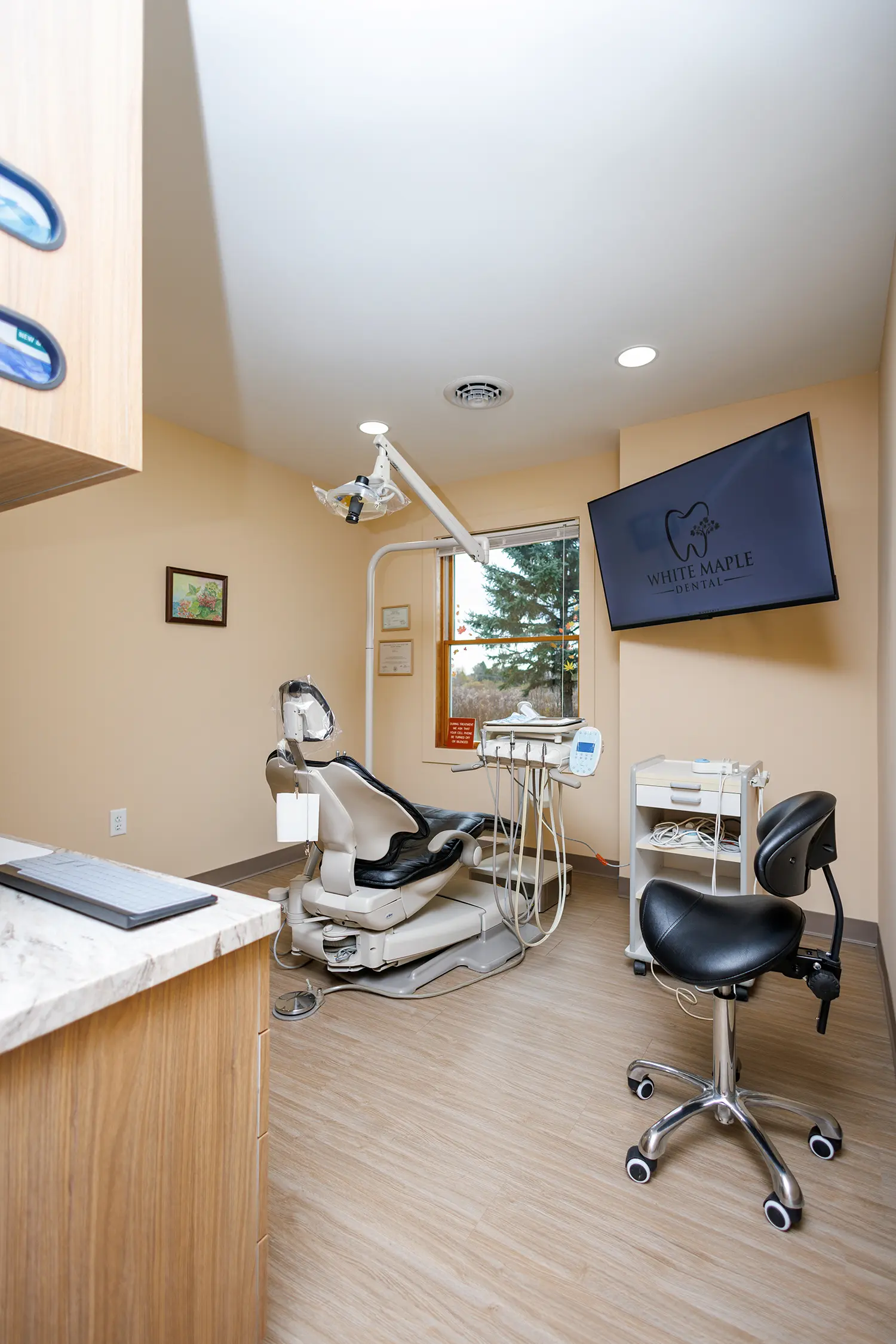
Modern dental examination room with a reclining dental chair, overhead dental light, dental tools, a black stool, and a wall-mounted screen displaying the White Maple Dental logo.

What Happens After a Tooth Is Removed?

Once a tooth has been removed, we'll consider whether replacing it is appropriate for your situation.

Depending on the location of the missing tooth and your individual needs, replacement options may include:

  • Dental implants
  • Dental bridges
  • Partial dentures

Replacing a missing tooth may help restore chewing function and prevent unwanted changes to your bite or surrounding teeth.

Our team can discuss your options and help determine whether tooth replacement should be part of your treatment plan.

Emergency Tooth Extractions

A severely painful, broken, or infected tooth may require prompt dental attention.

White Maple Dental provides emergency dental care in Lancaster, NY for urgent dental problems. If you're experiencing significant tooth pain, facial swelling, a dental abscess, or a damaged tooth, contact our office so we can determine the appropriate next step.

An emergency evaluation can also help determine whether a tooth can be saved or whether extraction is necessary.

Woman with long curly blonde hair smiling while talking on a phone at her desk in an office, looking at a computer monitor.
A clear acrylic frame on a marble countertop displays a sign with the White Maple Dental logo and their vision and mission statements. The vision emphasizes nurturing every smile in a caring environment and fostering lifelong dental wellness. The mission highlights dedication to nurturing healthy smiles, exceptional care, and community commitment.

Why Choose White Maple Dental?

At White Maple Dental, we understand that the idea of having a tooth removed can make some patients anxious. Our goal is to make the process clear, comfortable, and as straightforward as possible.

Our approach includes:

  • Thorough evaluation before treatment
  • Clear explanations of treatment options
  • Local anesthesia for comfort
  • Personalized aftercare instructions
  • Guidance about tooth-replacement options
  • A welcoming, judgment-free environment

White Maple Dental serves patients in Lancaster and surrounding Western New York communities with comprehensive dental care.

Frequently Asked Questions About Tooth Extractions

Does a tooth extraction hurt?

The area is numbed with local anesthesia before the procedure. You may feel pressure or movement during the extraction, but you should not feel sharp pain from the procedure itself. Some soreness or discomfort can occur after the anesthesia wears off.

How long does a tooth extraction take?

The time required varies depending on the tooth and whether the extraction is simple or surgical. Your dentist can give you a better estimate after examining the tooth.

How long does it take to heal after a tooth extraction?

Healing varies from person to person and depends on the tooth and type of extraction. Your dentist will provide aftercare instructions and let you know what to expect during recovery.

What can I eat after a tooth extraction?

Softer foods are generally easier to eat immediately after an extraction. Follow your dentist's instructions about eating and drinking while the extraction site heals.

Can a dentist save my tooth instead of extracting it?

Sometimes. Depending on the condition of the tooth, treatments such as a filling, crown, or root canal may allow you to keep it. Your dentist will explain the available options before recommending extraction.

Do wisdom teeth always need to be removed?

No. Wisdom teeth do not automatically need to be removed. Extraction may be recommended if a wisdom tooth is impacted, causing pain or infection, damaging neighboring teeth, or creating another oral health problem.

Do I need to replace a tooth after an extraction?

Not always. Whether a tooth should be replaced depends on which tooth was removed, its function, your oral health, and your treatment goals. Your dentist can explain whether an implant, bridge, partial denture, or another option is appropriate.

What should I do if my tooth is severely painful or infected?

Contact a dentist promptly. Severe tooth pain, swelling, an abscess, or a broken tooth can require urgent evaluation. White Maple Dental can evaluate the problem and determine whether the tooth can be treated or needs to be removed.

Schedule a Tooth Extraction Consultation in Lancaster, NY

If you have a painful, damaged, infected, or problematic tooth, White Maple Dental can help you understand your treatment options.

Our team will evaluate your tooth, explain whether extraction is appropriate, and discuss what you can expect before and after treatment.

Dentist in Lancaster, NY | White Maple Dental
Hours
Monday:
7:00 AM – 4:00 PM
Tuesday:
By appointment
Wednesday:
10:00 AM – 6:00 PM
Thursday:
7:00 AM – 4:00 PM
Friday:
By appointment